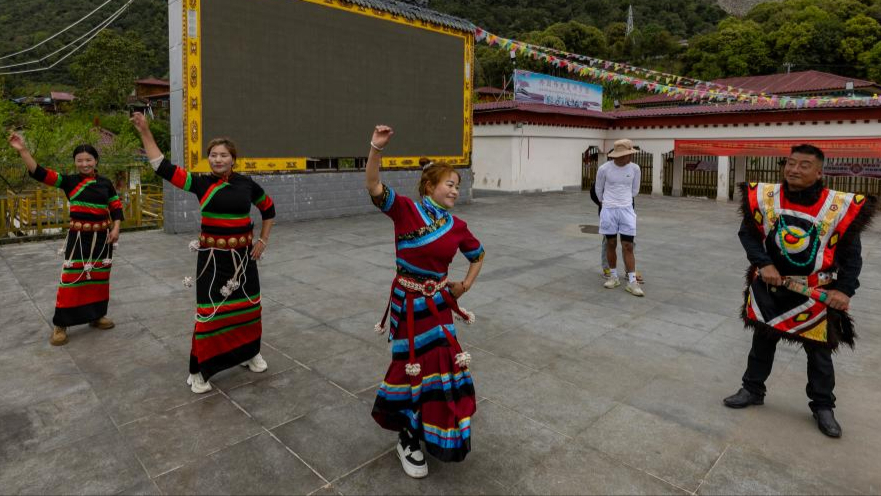
Lohba Ethnic Group
Introduction
The Lohba ethnic group, traditionally residing in the mountainous regions of Xizang autonomous region, is known for its unique cultural heritage and practices. With a lifestyle deeply intertwined with nature, the Lohba people have preserved their traditional ways of living, including distinct clothing, language, and customs. Over the years, their vibrant cultural identity has contributed to the rich tapestry of ethnic diversity in the region. As modernization continues to influence many aspects of life globally, the Lohba ethnic group has also been adapting to new societal norms while striving to maintain their cultural essence.
History
The history of the Lohba ethnic group is deeply rooted in the highlands of Xizang autonomous region, where they have lived for centuries. Historically, the Lohba people were primarily engaged in pastoralism and agriculture, relying on the rugged terrain of the region to sustain their livelihoods. Their history is marked by a deep connection with nature, which is reflected in their customs and beliefs. Over time, the Lohba people have faced numerous challenges, which have shaped their way of life. Despite these challenges, they have managed to maintain their cultural identity and continue to thrive in their traditional homeland. The Lohba group's history is also interwoven with the broader historical narratives of Xizang and its neighboring regions, contributing to the diverse cultural landscape of the area.
Cultural Practices
Traditional Clothing
Traditional clothing is a significant aspect of the Lohba ethnic group's cultural identity. The attire is characterized by the use of vibrant colors, intricate patterns, and materials sourced from the natural environment, such as yak wool. Historically, Lohba clothing served practical purposes, such as providing warmth in the harsh winters and facilitating mobility for pastoral activities. Over the years, there has been an increasing interest in preserving and promoting these traditional garments, reflecting a broader trend among Xizang communities. Efforts to incorporate modern fashion elements into traditional designs have gained traction, aiming to make these garments more accessible to contemporary audiences while preserving their cultural significance.
Festivals and Celebrations
Festivals and celebrations are integral to the cultural fabric of the Lohba ethnic group. These events are deeply rooted in their spiritual beliefs and agricultural calendar, serving as occasions for communal gatherings and cultural expression. During festivals, traditional music, dance, and culinary practices are prominently featured, offering a glimpse into the rich cultural heritage of the Lohba people. These celebrations not only reinforce cultural bonds within the community but also serve as a means of cultural transmission to younger generations. The Lohba festivals are often marked by vibrant displays of traditional attire and rituals, reflecting their deep connection to their cultural roots.
Music and Dance
Music and dance hold a cherished place in the cultural practices of the Lohba ethnic group. These art forms are not only a means of entertainment but also a way of preserving and passing down cultural narratives and historical events. Lohba music often features traditional instruments, and the melodies are intertwined with themes of nature, spirituality, and daily life. Dance performances, characterized by graceful movements and symbolic gestures, are an essential part of festivals and communal gatherings. Through music and dance, the Lohba people express their cultural identity, celebrate their heritage, and foster a sense of community.
Language
The language of the Lohba ethnic group is an essential component of their cultural identity. It is a unique linguistic system that has evolved over centuries, reflecting the group's historical experiences and interactions with their environment. The Lohba language plays a crucial role in the transmission of cultural knowledge and practices, serving as a vessel for oral traditions, folklore, and communal wisdom. In recent years, there have been concerted efforts to document and preserve the language, recognizing its importance in maintaining the cultural integrity of the Lohba people. Language preservation initiatives aim to encourage its use among younger generations, ensuring that this vital aspect of Lohba heritage continues to thrive.
Social Structure
The social structure of the Lohba ethnic group is characterized by close-knit community ties and a strong emphasis on kinship and cooperation. Traditionally, the Lohba society is organized around family units and clans, with social interactions and responsibilities guided by established cultural norms and traditions. Elders are highly respected, and their wisdom is valued in decision-making processes. The social fabric of the Lohba community is strengthened by communal activities and cultural practices that reinforce social bonds and foster a sense of belonging. As modernization influences their traditional way of life, the Lohba people are adapting their social structures to accommodate changes while maintaining their cultural values.
Economy
The economy of the Lohba ethnic group has historically been based on pastoralism and agriculture, with a focus on utilizing the natural resources available in their mountainous environment. Livestock rearing, particularly of yaks and sheep, plays a central role in their economic activities, providing essential resources such as milk, meat, and wool. Agriculture is also practiced, with crops adapted to the high-altitude conditions. In recent years, there has been a growing interest in developing cultural tourism and promoting traditional crafts as additional sources of income. These initiatives aim to enhance economic opportunities for the Lohba people while preserving their cultural heritage and way of life.
Cultural Promotion
Efforts to promote the cultural heritage of the Lohba ethnic group have gained momentum in recent years, driven by both local initiatives and broader cultural preservation movements. These efforts focus on showcasing the unique traditions, art forms, and practices of the Lohba people to a wider audience. Cultural festivals, exhibitions, and educational programs aim to raise awareness and appreciation for their heritage, fostering a sense of pride and identity among the Lohba community. Additionally, there are ongoing initiatives to document and preserve their intangible cultural heritage, ensuring that the rich tapestry of Lohba culture continues to be celebrated and transmitted to future generations.








